Can’t wait to check out the legion of amazing native animals on your trip Down Under? We’re so proud of our unique wildlife that we just had to put together the Top 10 Cutest Aussie Animals – which do you love the most?
10. Echidna
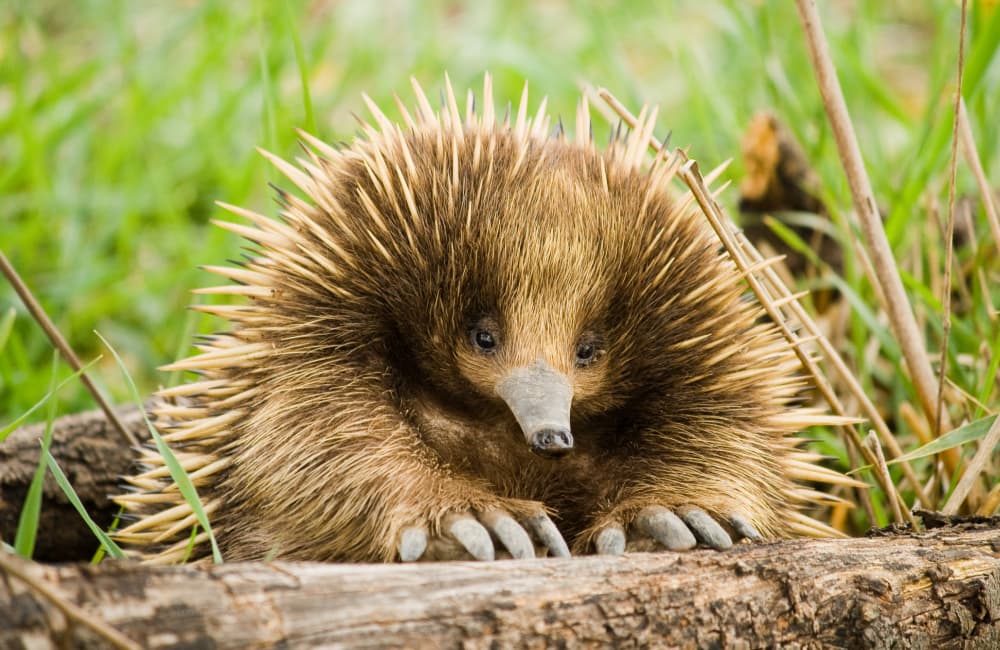
You’ll have to be quick with the camera – echidnas don’t stop to say ‘cheese’! With powerful digging claws, they’ll be underground within just a
few moments.
Echidnas are monotremes, or egg-laying mammals. So, just as you thought they couldn’t get much stranger with their ant-eating snout, bristling spikes and spurs (presumably there to prevent well-meaning tourists from giving them an unwanted cuddle), our super-cute echidnas are definitely in the Top 10!
Where to find them in the wild: you can find echidnas in the wild all over Australia. It’s not uncommon to come across one on a bush walk, especially early in the morning or late afternoon when the weather is cooler.
Where to see them in captivity/encounters: If you want a sure thing, multiple zoos and sanctuaries offer encounters and exhibits. The easiest one to get to is Currumbin Wildlife Sanctuary (QLD) which has a research facility with over 20 short-beaked echidnas.
How to get there: To get to Currumbin Wildlife Sanctuary (QLD) catch a Greyhound to Bilinga (Gold Coast Airport stop) then cross the road and walk approx. 220m to opposite stop. From here, catch #760 or #700 council bus, ride 8 mins (9 stops) to Currumbin Wildlife Sactuary and walk 1 min to the entrance. The bus comes every 10 mins. For up-to-date timetable information visit the Translink website.
9. Dingo
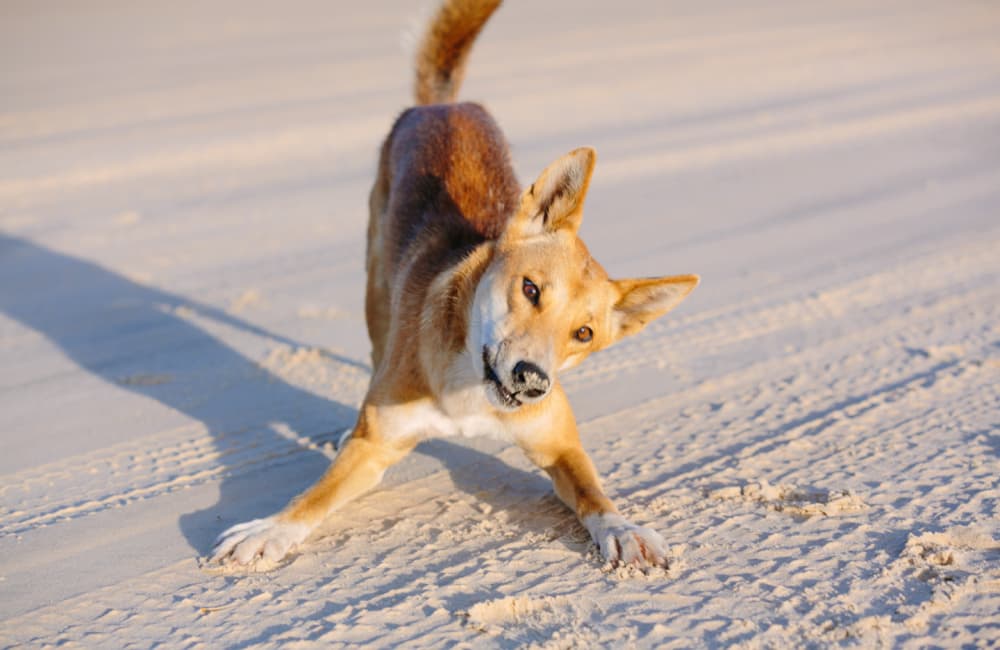
While greyhounds are our favourite breed of dog (obvs), dingoes are a close second! They’re the only canine that’s native to Australia, despite researchers not knowing the exact timing of their first arrival to the continent.
Where to find them in the wild: Once found across most of mainland Australia, there aren’t many purebred dingoes left in the wild. One of the best places for seeing them in their natural environment is on the beautiful K’gari (Fraser Island). Join specialised tours (like Nomads, Fraser Explorer) for better chances of spotting them.
Where to see them in captivity/encounters: There are multiple sanctuaries and wildlife parks, but the easiest one to get to is Currumbin Wildlife Sanctuary (QLD). If you’re travelling to Townsville, then you can also visit Billabong Sanctuary. You can get a return transfer from Townsville (including park entry) from $96 for an adult with McMillans Bus Charters.
How to get there: To get to Currumbin Wildlife Sanctuary (QLD) catch a Greyhound to Bilinga (Gold Coast Airport stop) then cross the road and walk approx. 220m to opposite stop. From here, catch #760 or #700 council bus, ride 8 mins (9 stops) to Currumbin Wildlife Sactuary and walk 1 min to the entrance. The bus comes every 10 mins. For up-to-date timetable information visit the Translink website.
8. Sea Turtle
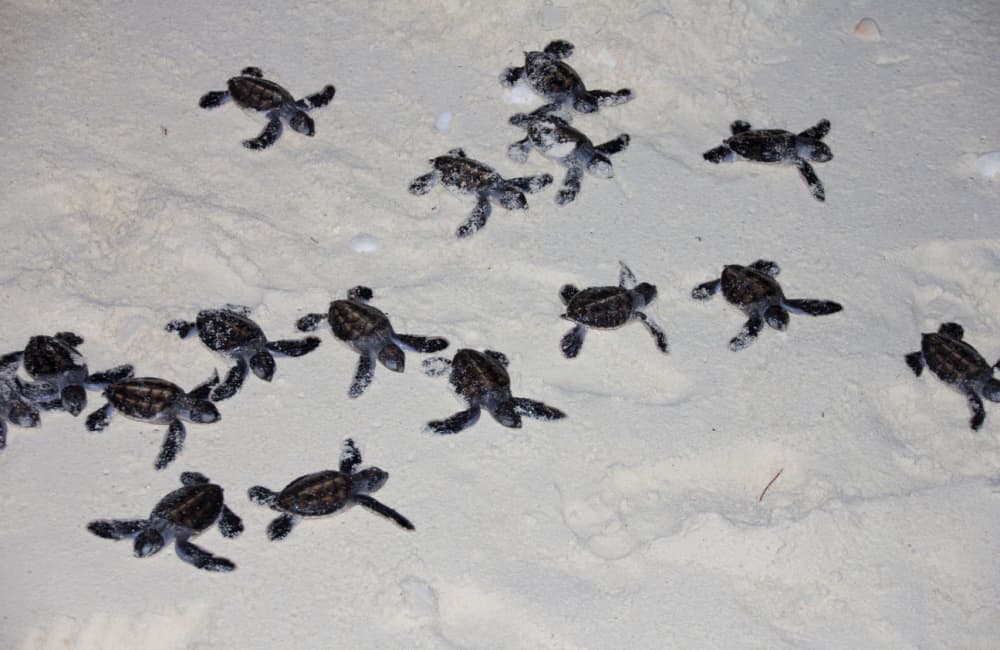
We love sea turtles so much! They’re some of the greatest travellers of the animal kingdom, regularly cruising up and down the East Coast. Every year hundreds of turtle hatchlings make their way from the beach to the ocean – a truly once-in-a-lifetime experience to witness! One of the best places to watch the magic is at Mon Repos Conservation Park near Bundaberg. The turtle egg laying season is Nov-Jan, and with hatchlings emerging Jan – Mar.
7. Kangaroo
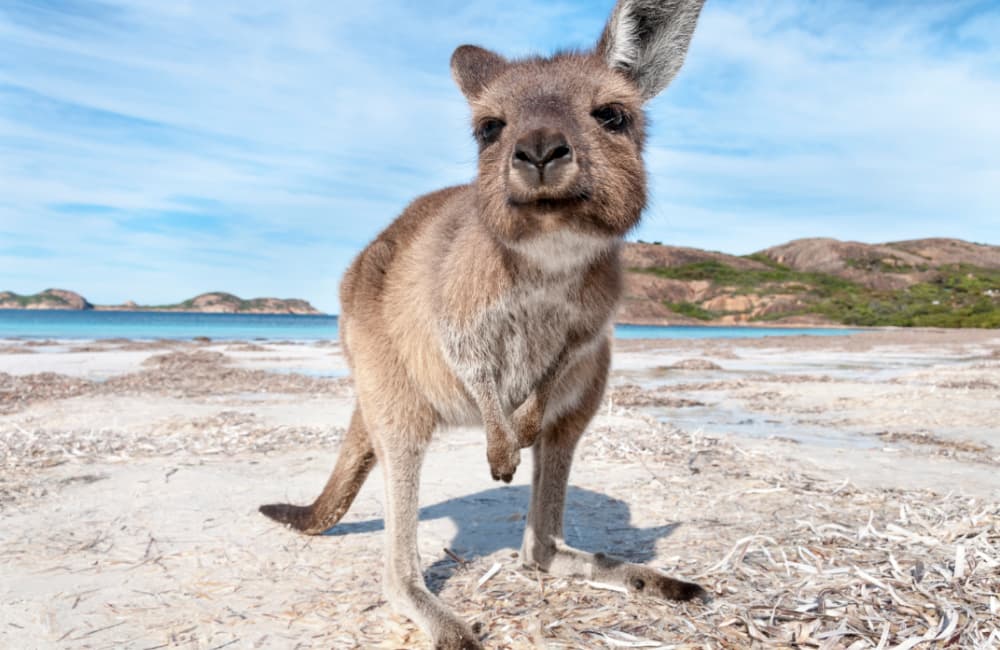
If you’ve made it this far and can’t believe there are animals even cuter than kangaroos, buckle up! But seriously though, just look at that little face and those little arms and those jumpy legs. J’adore.
Where to find them in the wild: You can see kangaroos across Australia in national parks, coastal areas, and even near cities, with top spots including Lucky Bay (WA) for kangaroos on white sand, or Kangaroo Island (SA) for unique subspecies. Early mornings and late afternoons are best for sightings when they are most active. If you’re travelling to Mackay, then we also recommend a day trip to Cape Hillsborough at sunrise where you can see the roos on the beach.
Where to see them in captivity/encounters: There are multiple sanctuaries and wildlife parks, but the easiest one to get to is Currumbin Wildlife Sanctuary (QLD). Or you can do a day trip to Australia Zoo from Brisbane.
How to get there: To get to Currumbin Wildlife Sanctuary (QLD) catch a Greyhound to Bilinga (Gold Coast Airport stop) then cross the road and walk approx. 220m to opposite stop. From here, catch #760 or #700 council bus, ride 8 mins (9 stops) to Currumbin Wildlife Sactuary and walk 1 min to the entrance. The bus comes every 10 mins. For up-to-date timetable information visit the Translink website.
6. Platypus
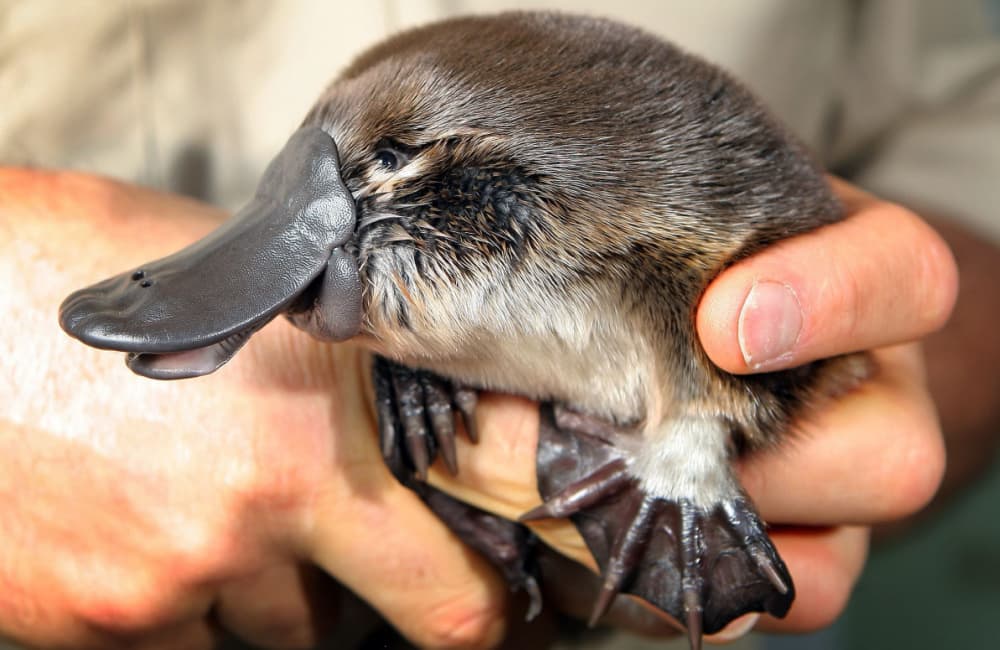
They’ve got the bill of a duck, the tail of a beaver, the fur of an otter and webbed feet to boot (plus venomous spurs on the males!) – and did we mention they’re egg-laying mammals?
Platypus are super shy and often stay hidden beneath the surface of the water or burrowed deep into riverbanks, but they’re well worth patiently waiting for a quick glimpse because they are just so cute! Best time to spot them is at first and last light.
Where to find them in the wild: The best places to see wild platypus in Australia are along eastern, slow-moving freshwater rivers at dawn or dusk, particularly at Eungella National Park (Broken River, QLD), Peterson Creek in Yungaburra (QLD), and Tidbinbilla Nature Reserve (ACT).
Where to see them in captivity/encounters: For guaranteed sightings do a day trip to Taronga Zoo from Sydney, or a tour to Healesville Sanctuary from Melbourne.
How to get there: You can get to Sydney or Melbourne without any hassles on a Greyhound. Better yet, you can visit both cities with one of our East Coast passes.
5. Quokka
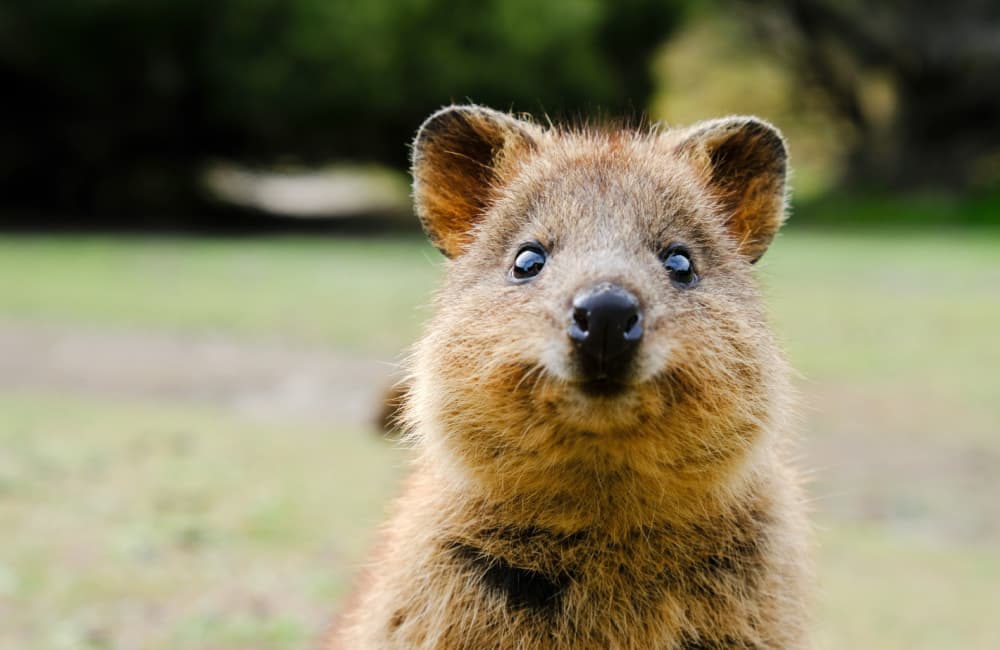
World-famous for their adorable little smiles and willingness to jump into a selfie with tourists, quokkas are another pouched marsupial native to Australia.
Where to find them in the wild: The best place to find wild quokkas is on Rottnest Island off the coast of Perth in Western Australia, in the early morning or late afternoon.
Where to see them in captivity/encounters: The best place to see quakkas is at Australian Zoo (QLD) where you can get up close with an encounter experience. There’s plenty of day trips to the zoo from Brisbane.
4. Sea Lion
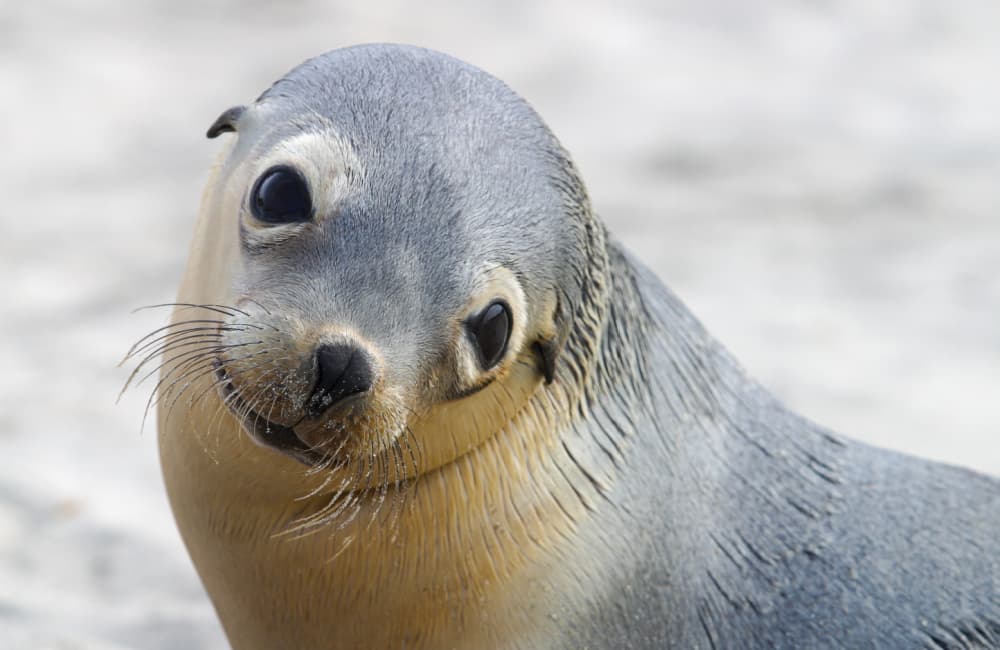
The puppers of the sea! Australian sea lions are super cute and a must-see around the coastal southern regions. By the way, did you know you can tell the difference between sea lions and seals by their ears? Sea lions’ are visible!
Where to find them in the wild: You can see Australian sea lions in their natural habitat at Kangaroo Island’s Seal Bay (SA) which has the most accessible walk-through experience, and Jurien Bay (WA), which has tours and swimming encounters. The best time to visit is usually from September to June.
Where to see them in captivity/encounters: You can find Australian sea lions at Sea World on the Gold Coast (QLD) which has encounter experiences, Sea Life on the Sunshine Coast (QLD), or at Taronga Zoo in Sydney.
How to get there: To get to Sea World, take a Greyhound to the Southport stop, then walk for 16 mins to Southport Ferry Wharf (Broadwater Parklands) and catch a ferry (it will cost you $10 each way) to the Sea World Ferry Wharf. From there, walk about 8min to Sea World. If you’re in Sydney, we recommend a day trip to Taronga Zoo.
3. Sugar Glider
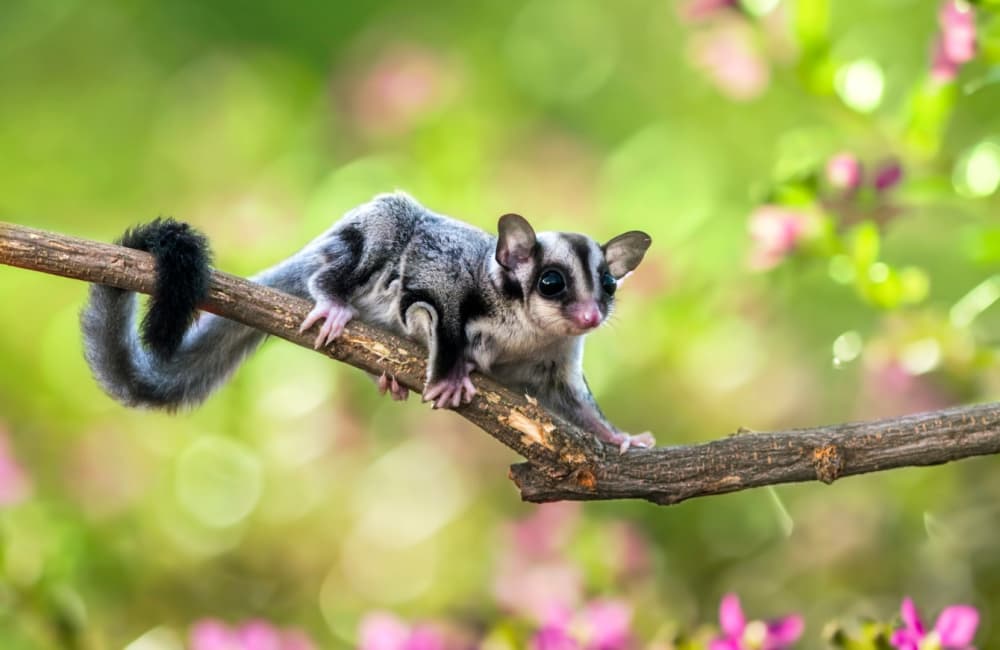
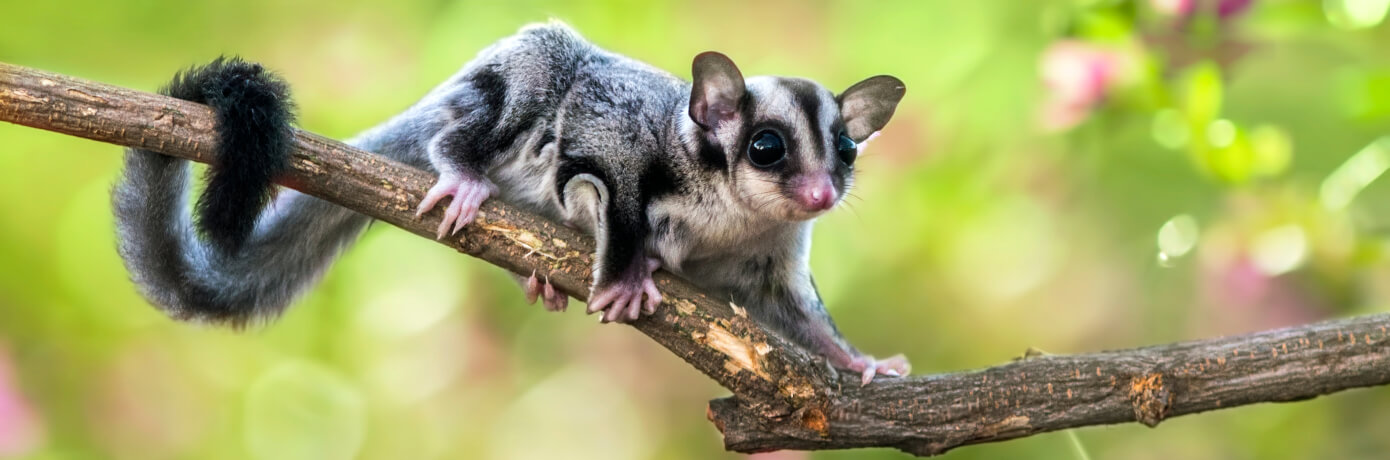
Can we get a collective ‘Awwwww’? Sugar Gliders are social, pint-sized, insect lovin’ marsupials, with one super cool talent: they can fly! (Well, not really, but the gliding tactic is a pretty cool way to avoid conflict with a would-be predator.)
Unfortunately, sugar gliders are highly prized by poachers but we think these guys are just gorgeous when left in the wild where they belong, don’t you think?
Where to find them in the wild: To see sugar gliders in in the wild, visit national parks in eastern Australia like Blue Mountains, Noosa, Lamington, or Ku-ring-gai Chase, especially on guided night walks for spotting them in their natural forest habitats. As they are nocturnal, your best chance to see them is at last light or at night.
2. Wombat
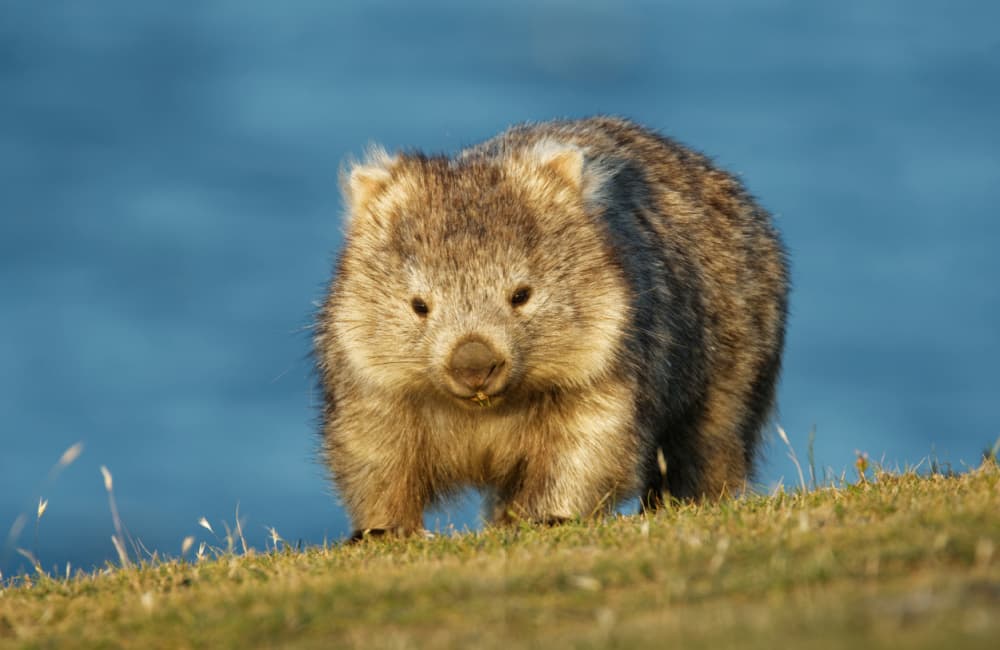
It must take a heart of stone not to melt at the sight of the waddling amble of our sturdy Australian pal, the wombat.
Wombats are herbivorous marsupials, digging out complicated burrow systems in heavily vegetated areas. You’re unlikely to see one in the wild, but if you’re still keen make acquaintance, many Australian wildlife parks have a resident wombat you can admire.
Where to find them in the wild: The best places to see wild wombats are in Cradle Mountain-Lake St Clair National Park (TAS), Bendeela Recreation Area (NSW), and Wilsons Promontory National Park (VIC).
Where to see them in captivity/encounters: Wombats can be seen in captivity across Australia. Some of the more popular zoos and wildlife sanctuaries include Australia Zoo (QLD), Currumbin Wildlife Sanctuary (QLD), Taronga Zoo (NSW), and Healesville Sanctuary (VIC).
How to get there: To get to Currumbin Wildlife Sanctuary (QLD) catch a Greyhound to Bilinga (Gold Coast Airport stop) then cross the road and walk approx. 220m to opposite stop. From here, catch #760 or #700 council bus, ride 8 mins (9 stops) to Currumbin Wildlife Sactuary and walk 1 min to the entrance. The bus comes every 10 mins. For up-to-date timetable information visit the Translink website.
You can also do a day trip to Taronga Zoo from Sydney, a tour to Healesville Sanctuary from Melbourne, or a day trip to Australia Zoo from Brisbane.
1. Koala
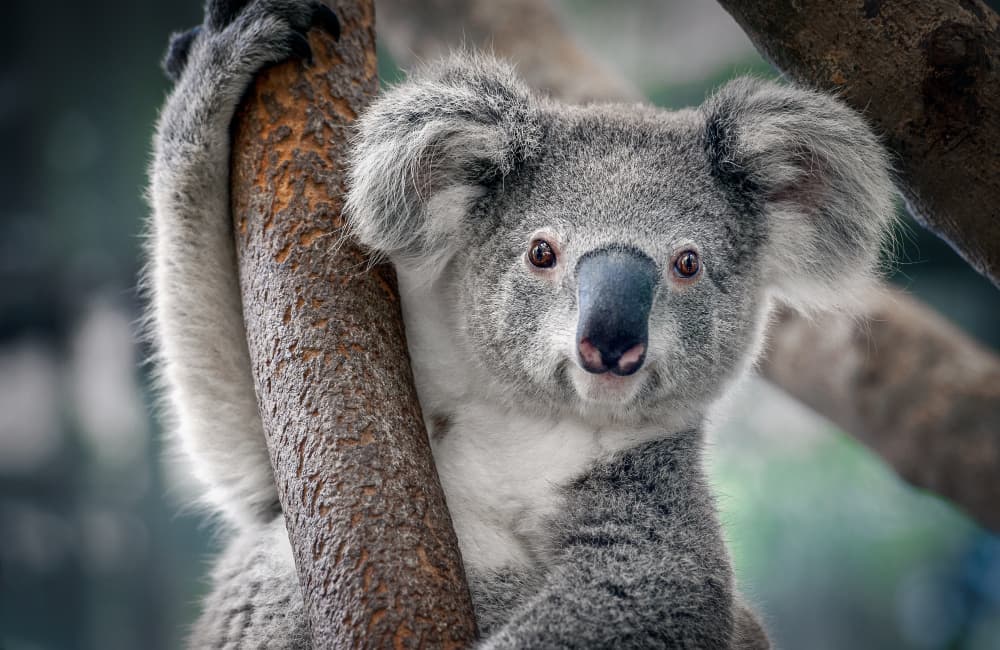
Taking out first place by a mile is Australia’s most celebrated gum leaf-loving tree-hugger, the koala. We’re not sure whether it’s that coal black button nose or the fact that this guy seems to be in cuddle-mode forever – we just know that visitors to Australia will do anything to get a closer look!
Australia’s very own living soft toy is not so well known for its aggressive and territorial habits, so be warned! Wild koalas do not like to be touched, and their strong gripping claws can cause serious damage to those offering unwanted attention!
Where to find them in the wild: Koala hotspots can be found all up and down the east coast, with top locations including Raymond Island (VIC), Magnetic Island (QLD), and Noosa National Park (QLD).
Where to see them in captivity/encounters: For guaranteed sightings and close encouter experiences we recommend Lone Pine Koala Sanctuary (QLD), Australia Zoo (QLD), Currumbin Wildlife Sanctuary (QLD), Taronga Zoo (NSW), and Healesville Sanctuary (VIC).
How to get there: To get to Lone Pine Koala Sanctuary catch a Greyhound to Brisbane. From the Greyhound stop, walk 11 min to Ann St stop 11 and catch council bus #445, ride for 35 mins (29 stops) to Lone Pine Koala Sanctuary.
If you’re all set for your Australian wildlife adventure, you’re about to have the experience of a lifetime. However, remember that many Australian wild animals are endangered and can be harmed or stressed by interaction with humans. If you cross paths with one, just take a quick snap and absorb the experience of being in their company while you can – you may have just encountered an animal most Australians have never seen in the wild!


 Experiences
 All guides and inspiration